
English
English Curriculum Intent
Why do we teach our pupils:
Each of our children is a precious and unique individual, with God given talents and abilities, created to fulfil a special role in God’s intricate plan for the world.
‘“For I know the plans I have for you”, declares the Lord, “plans to prosper you and not to harm you, plans to give you hope and a future”.’ Jeremiah 29:11
Why do we teach English?
Teaching English is essential because it equips students with the skills needed to communicate effectively, think critically, and engage meaningfully with the world. By ensuring that students read fluently, write creatively and accurately, and speak and listen with respect, we foster a deeper understanding of language and its power. Through exploring literature and engaging in thoughtful discussions, students develop empathy and a broader perspective on faith, identity, and the world around them. These aims not only support the National Curriculum and recommendations from the Education Endowment Foundation but also reflect the core values of the school community, preparing students for both academic success and personal growth.
How will our teaching of English enable our pupils to fulfil the plan God has for them?
At Padiham St. Leonard’s, our teaching of English is deeply rooted in the belief that every child is created in God’s image, with unique gifts and the potential to communicate and contribute meaningfully to the world. By equipping students with the ability to read, write, speak, and listen with confidence and skill, we empower them to fulfill the plan God has for them. A confident, fluent reader nurtures a love of literature that deepens their understanding of life’s complexities and the human experience. A skilled writer, able to communicate with clarity and flair, can express their thoughts, ideas, and faith in ways that resonate with others. A reflective and articulate speaker and listener fosters respect, empathy, and collaboration, building relationships that enrich both personal and communal life.
The approach we take is designed to lay the foundation for each child to express themselves fully and confidently. Systematic phonics and decoding in EYFS/KS1 (Little Wandle) ensure that early learners build the critical skills for reading and writing. As they progress, reading comprehension through Badger Guided Reading and high-quality novels helps deepen their understanding and allows them to engage with increasingly complex ideas. Structured writing journeys tied to literature and purpose ensure that pupils are not just writing for writing’s sake, but are connecting their creative expression to the world around them. The emphasis on GPS (Grammar, Punctuation, and Spelling) and handwriting helps students refine their technical skills, making their written communication clear and impactful. Finally, we foster a culture of oracy, performance, and reflection across subjects, ensuring that students not only speak and listen with fluency but also with purpose, enriching their relationships with peers, teachers, and the wider community.
Through this curriculum, we aim to equip each child to use language as a tool to explore their faith, engage with the world, and communicate the love and truth that they carry within them. By nurturing these skills, we are helping to fulfill their potential and guiding them toward the future that God has planned for them.
What do we want to achieve by teaching English?
At Padiham St. Leonard’s, our goal in teaching English is to help children develop the skills and confidence they need to navigate the world with clarity and purpose. By the end of Key Stage 2, we aim for our pupils to read fluently, confidently, and for enjoyment, fostering a lifelong love of literature. Through this, we encourage them to analyse texts deeply, exploring themes, authorial devices, and character development. Writing becomes a tool for self-expression, with children able to write at length and in various styles, from formal academic work to creative, informal pieces. Speaking and listening are equally important, with structured discussions and performances providing children with opportunities to articulate their thoughts clearly and confidently. Additionally, a solid grasp of grammar and punctuation ensures that students communicate with precision, while a rich vocabulary, drawn from wide reading and subject-specific learning, enhances their ability to engage with the world in meaningful ways.
Impact:
The impact of this approach is evident in high levels of engagement and progress in both reading and writing, with pupils building a strong foundation for continued success. Secure outcomes in phonics screening and statutory writing assessments demonstrate the effectiveness of our curriculum. More than just academic success, our teaching prepares children to thrive in secondary English and in life beyond school, giving them the tools to express themselves, solve problems, and connect with others. Finally, the depth, reflection, and moral understanding reflected in both their reading choices and writing outcomes showcases how our students grow not only in skill but in character and wisdom.
We believe that English at Padiham St. Leonard’s is much more than a subject—it is a means for every child to find their voice, tell their unique story, and walk confidently into the future God has planned for them. This approach ensures that students don’t just succeed academically, but are prepared to engage thoughtfully with the world around them, making their mark with integrity and purpose.
Discover what St Leonard’s students are learning — click the blue links below to view our English curriculum.
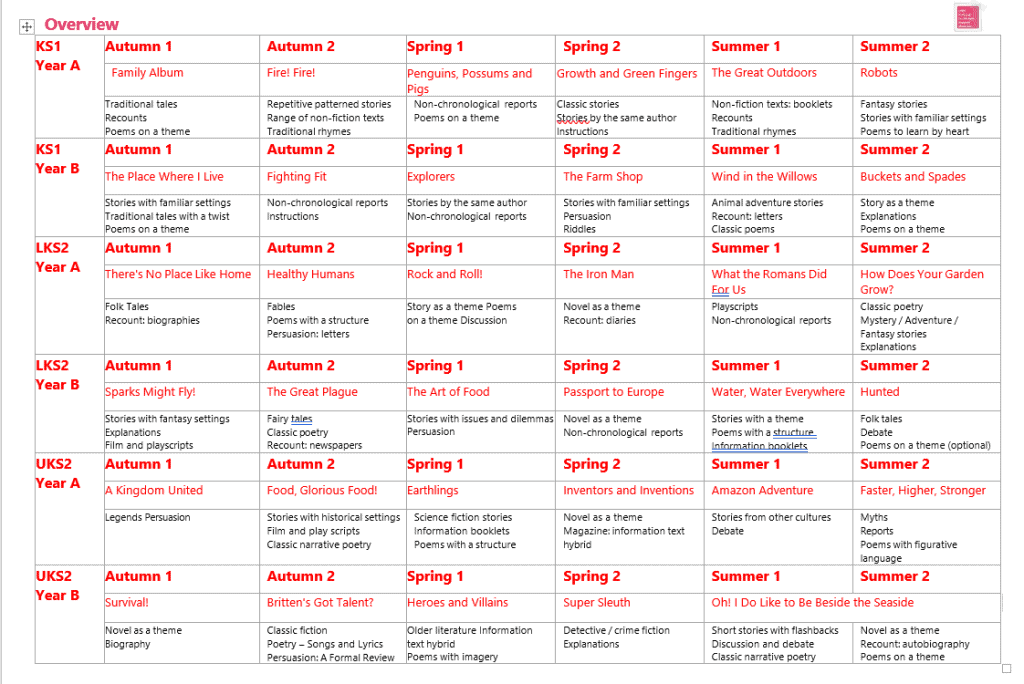
Whole school English overview
Reading Progression Of Skills
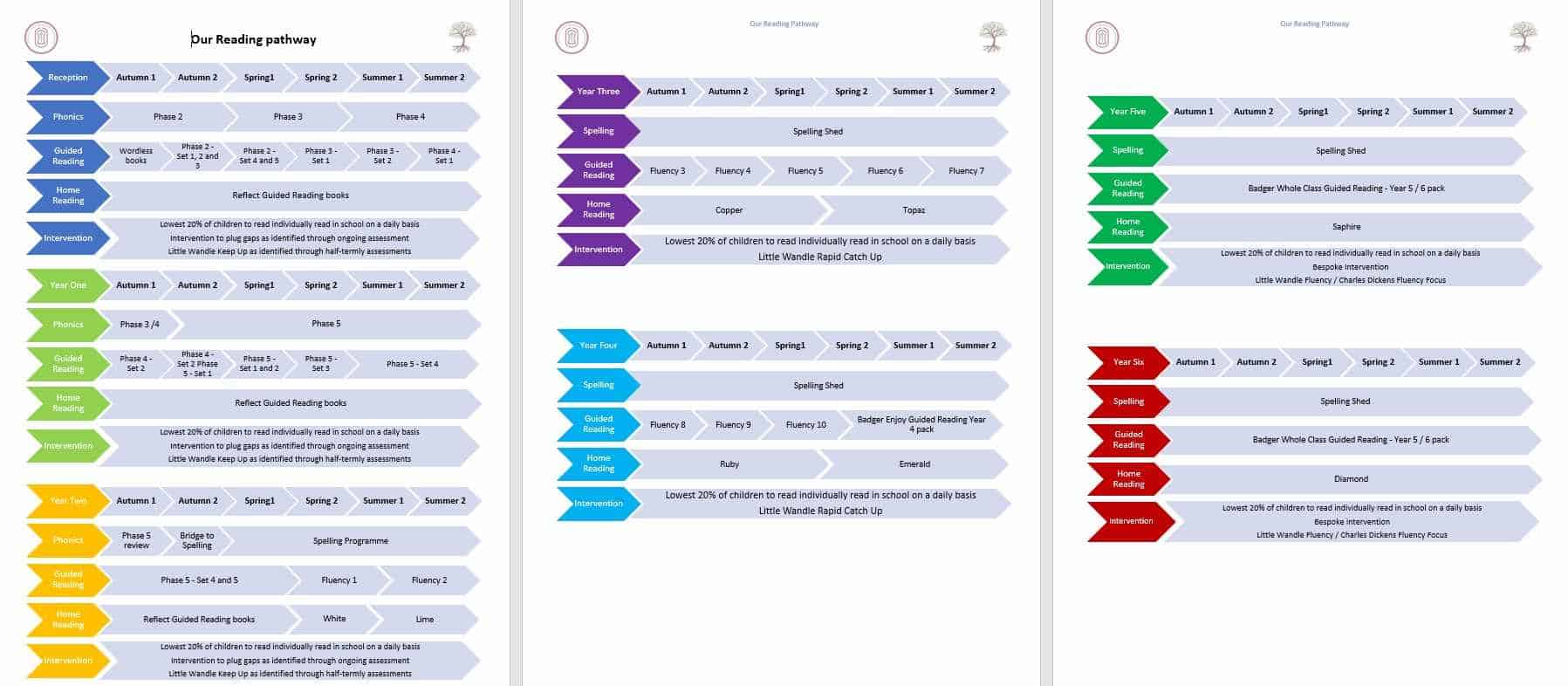
Progression Of Skills Reading
Writing Progression Of Skills
Spelling-Handwriting progression
KS1 Spelling-Handwriting progression KS2
English Assessment
English Medium Term Planning Examples
English MTP The Iron Man Cherry Blossom
SpellingSHED Medium Term Planning Examples
Spelling Shed Medium Term Plan – Spelling Shed Stage 6
Spelling Shed Medium Term Plan – Spelling Shed Stage 5
Spelling Shed Medium Term Plan – Spelling Shed Stage 4
Spelling Shed Medium Term Plan – Spelling Shed Stage 3
English Adaptive Strategies
Adaptive Strategies In English