
Science
Science Intent
Why do we teach our pupils:
Each of our children is a precious and unique individual, with God given talents and abilities, created to fulfil a special role in God’s intricate plan for the world.
‘“For I know the plans I have for you”, declares the Lord, “plans to prosper you and not to harm you, plans to give you hope and a future”.’ Jeremiah 29:11
Why do we teach Science?
A high-quality science education provides the foundations for pupils’ understanding of the world by nurturing curiosity, encouraging questioning, and developing the skills to explore God’s creation with awe and wonder. Science enables children to make sense of natural phenomena, human inventions, and the processes that sustain life, equipping them with the knowledge to make informed choices about their future and the stewardship of the earth. As an integral part of a broad and balanced curriculum, science not only supports academic achievement but also fosters resilience, creativity, and critical thinking—skills that prepare pupils for lifelong learning. Through practical investigation and discovery, pupils come to appreciate both the power and the limits of science, learning to apply it responsibly and ethically in a way that aligns with values of care, respect, and responsibility. In this way, science contributes richly to the holistic education of every child, ensuring they are equipped to participate fully in and contribute positively to the world around them.
How will our teaching of Science enable our pupils to fulfil the plan God has for them?
Through our teaching of Science, we help pupils to explore and delight in the wonders of God’s creation, building curiosity, awe, and respect for the world He has made. Science equips children with the knowledge and skills to understand how life and the universe are sustained, enabling them to make wise and responsible choices as stewards of the earth. By investigating, questioning, and discovering, pupils grow in confidence and resilience, learning that they are capable of contributing to society in meaningful ways. From their earliest experiences of Science, children begin to develop a sense of identity and purpose, recognising their gifts and potential. In this way, Science education not only enriches their minds but also nurtures their character, preparing them to live joyfully, responsibly, and faithfully, in order to fulfil the unique plan God has for their lives.
What do we want to achieve by teaching Science?
Through our teaching of Science, we help pupils to explore and delight in the wonders of God’s creation, encouraging them to see the world with curiosity, awe, and respect for the intricate order and beauty He has made. By studying living things, forces, materials, and the universe itself, children develop an understanding of how life is sustained and how all parts of creation are interconnected, leading them to appreciate both the power and fragility of the natural world. Science equips pupils with the knowledge and skills to make wise and responsible choices, preparing them to act as faithful stewards of the earth and to consider the impact of their actions on future generations. Through practical investigation, questioning, and discovery, pupils grow in resilience and confidence, realising that they can think critically, solve problems, and contribute positively to society. From their earliest encounters with Science, children begin to form a sense of identity and purpose, discovering their gifts, nurturing their creativity, and recognising the potential God has placed within them. In this way, Science education does more than enrich minds with knowledge—it nurtures character, builds self-esteem, and inspires pupils to live joyfully, responsibly, and faithfully, fulfilling the unique plan God has for each of their lives.
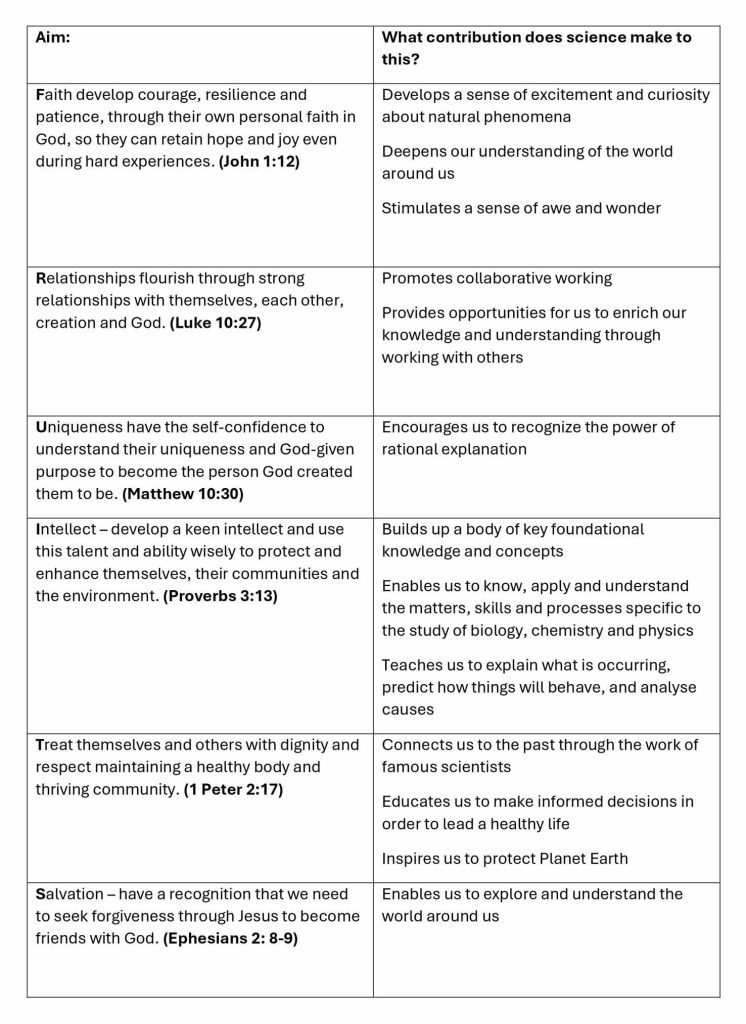
Science FRUITS

St Leonard’s Church Of England Voluntary Aided Primary School Awarded Primary Science Quality Mark
Primary Science Quality Marks have been awarded to over 300 nursery, infant, junior, primary, middle, international and special schools this month to celebrate their commitment to excellence in science leadership, teaching and learning. So far, since its national launch in 2010, more than 5000 Primary Science Quality Marks (PSQM) have been awarded, creating a solid foundation of quality science education for over 1,000,000 children.
PSQM is a comprehensive evidence-based professional development programme that effectively develops science leadership, ensuring teachers have the knowledge, capability and support they need to transform science education and shape future generations.
The Primary Science Quality Mark is led by the University of Hertfordshire.
Helen Sizer, PSQM Co-Director said: ‘By enabling effective science leadership, PSQM is powering the potential of all children to see the relevance and importance of science in their lives, now and in the future. Schools that have achieved a Primary Science Quality Mark have demonstrated a significant commitment to science leadership, teaching and learning and the profile and quality of science in each accredited school is very high. Science subject leaders, their colleagues, headteachers, children, parents and governors should be very proud.”
Discover what St Leonard’s students are learning — click the blue links below to view our Science curriculum.
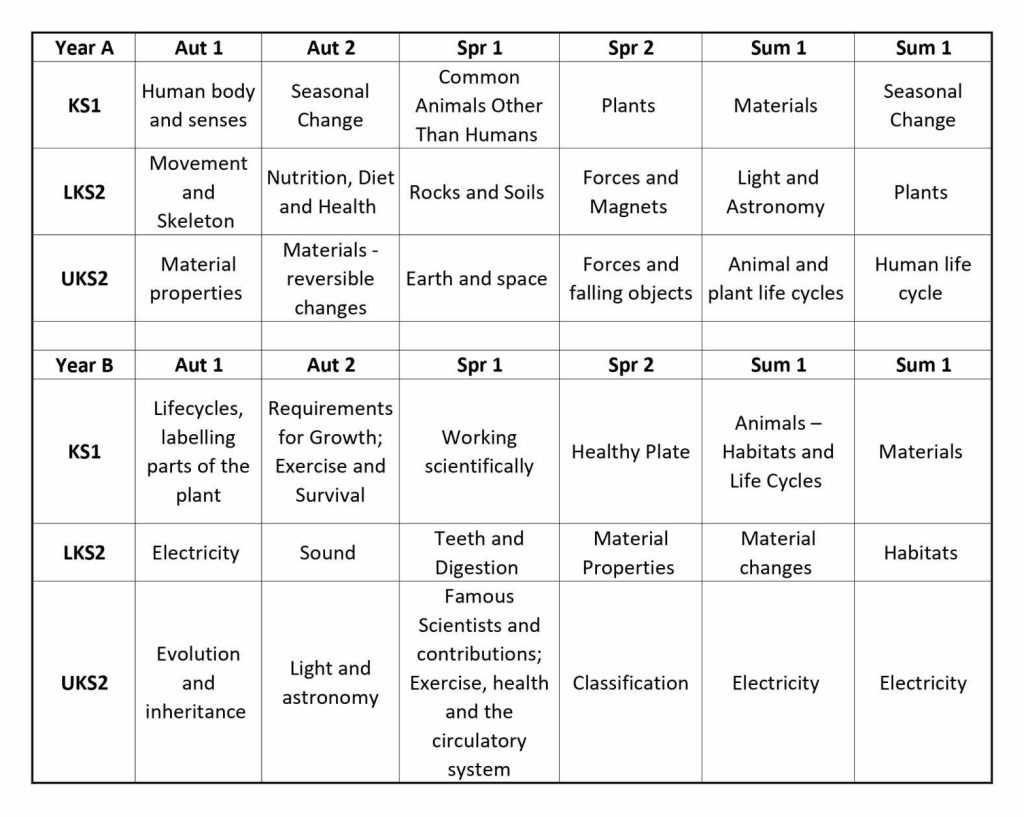
Whole school Science overview
Science Progression Of Skills
Progression Of Skills Science
Science Assessment
Science Assessment Autumn
Science Assessment Sping 1
Science Assessment Spring 2
Science Assessment Summer
Science Medium Term Planning Examples
Science MTP Year A Autumn 1 UKS2
Science LKS2 Healthy Humans MTP 2024
MTP Science KS1
Penguins Possums And Pigs Spring 1
Science MTP Forces Cherry Blossom
Science MTP Cherry Blossom
Science Earth And Space UKS2
Plants KS1
MTP Science Spring 1 Final KS1
LKS2 Science MTP Forces And Magnets
LKS 2 Science MTP Spring 1
Growth And Green Fingers Spring 2
UKS2 Animals Including Plants Summer 2
Science MTP Apple Blossom
Science MTP Animals And Plants
Science Knowledge Organisers
Knowledge Organiser Unit Science Healthy Humans
Science Knowledge Organiser Unit KS1
UKS2 Earth And Space , Sp1
Science Knowledge Organiser Sp1 KS1
Science Apple Blossom Sp2
LKS2 Knowledge Organiser Rocks
LKS2 Knowledge Organiser Foreces And Magnets
Knowledge Organiser Unit Science Plants KS1 Sp2
Knowledge Organiser Unit Science Forces Cherry Blossom
Forces UKS2 Sp2
Science Knowledge Organiser Apple Blossom
Animals MTP And Plant Knowledge Organiser
Animals Incl Humans Summer 2 Knowledge Organiser
Science Adaptive Strategies
Adaptive Strategies In Science