
Safeguarding
An Overview of Safeguarding at St Leonard’s Church of England Primary School
We fully embrace the vision stated in the Church of England’s Vision for Education ‘Deeply Christian Serving the Common Good’ published in July 2016 of educating the whole person and are continuing to build on these principles as set out in Our Hope for a Flourishing Schools System: Deeply Christian, Serving the Common Good’ June 2023.
We incorporate this vision fully in all that we do. This is especially relevant when considering the safeguarding of our whole school community. We aim for our children and members of the wider school community to flourish in all they do and ‘live life in all its fullness’. (John 10:10) As such, we ensure that we recognise our moral and statutory responsibility to safeguard and promote the welfare of all pupils and staff.
At St Leonard’s Church of England Primary School, safeguarding is at the heart of our educational ethos. We strive to create a nurturing environment where all our students feel safe, valued, and supported in their learning journey. Our commitment to safeguarding is deeply rooted in the values of our Christian faith and is reflected in every aspect of school life.
Faith
Our Christian faith plays a fundamental role in promoting the safety and well-being of our students. We believe that every child is a unique individual, created in the image of God. Through our Christian teachings, we foster an inclusive and respectful atmosphere where children learn to appreciate the diversity of beliefs and cultures.
Relationships
Building positive relationships is key to ensuring the safety of our students. Our dedicated staff members work tirelessly to develop strong connections with each child, enabling them to feel trusted and valued. By fostering open lines of communication, we encourage our students to share any concerns or worries they may have.
Uniqueness
We celebrate the uniqueness of every child at St Leonard’s. Our curriculum is designed to cater to individual needs and abilities, ensuring that every student receives the necessary support to thrive academically, socially, and emotionally.
Intellect
We are committed to providing a stimulating and enriching educational experience that allows our students to develop their intellectual capabilities to the fullest. By empowering them with critical thinking and problem-solving skills, we equip them with the tools needed to make informed decisions and keep themselves safe in various situations.
Treat
Respect and dignity towards oneself and others are core values we instil in our students. Through a variety of programs and lessons, we promote the understanding of personal boundaries, consent, and respectful relationships, empowering our students to navigate their social interactions with confidence and respect for one another.
Salvation
As a Church of England school, we embrace the concept of salvation through faith in Christ. We believe that faith can provide a source of strength and resilience for our students, supporting their emotional well-being and providing a framework to navigate challenges they may face.
Safeguarding at St Leonard’s Church of England Primary School encompasses faith, relationships, uniqueness, intellect, treating oneself and others with dignity, and the concept of salvation. We are dedicated to providing a safe and inclusive environment where all our students can thrive academically, emotionally, and spiritually.
Our Designated Safeguarding Lead (DSL) and Deputy Designated Safeguarding Leads (DDSL) are:
Mr Matthew Gaukroger (DSL)

Mrs Jennifer Entwistle (DDSL)
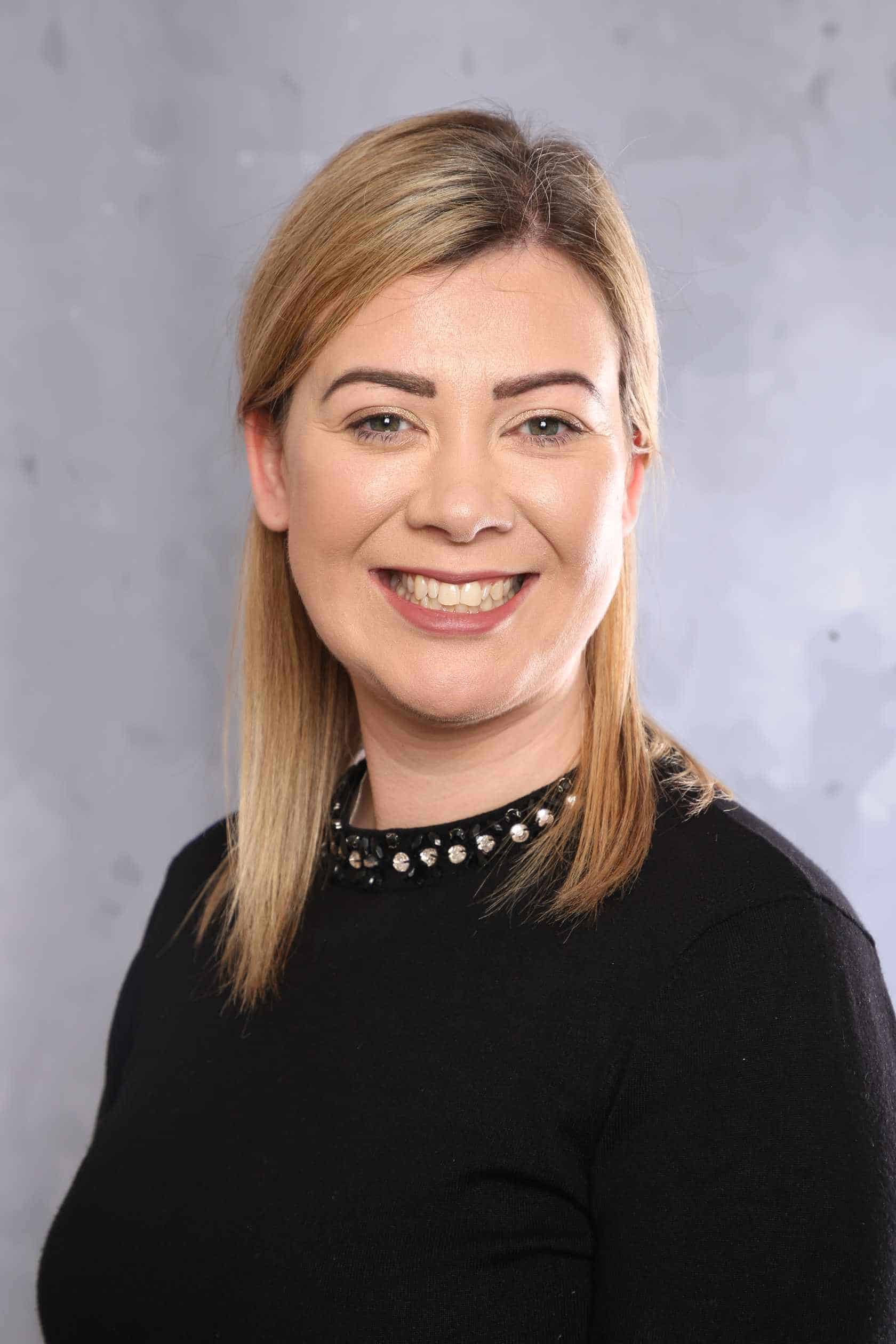
Mr Christopher Taylor (DDSL)

Mr Daniel O’Connor (DDSL)

Mr Luke Smith (DDSL)

Keeping Children Safe In Education 2026
‘It could happen here…’
Safeguarding children is crucial in protecting their immediate safety, but also contributes to their longer-term health and development.
All St Leonard’s staff are advised to maintain an attitude of ‘it could happen here’ where safeguarding is concerned. When concerned about the welfare of a child, staff should always act in the best interests of the child
Children that experience adversity can be at increased risk of developing mental and physical health difficulties as well as experiencing complex social difficulties over the course of their lives.
Due to the time spent in school and relationships between adults and children, schools are best placed to identify concerns and respond when a child is experiencing difficulties/adversity/impairment/harm.
What does safeguarding culture look like at St Leonard’s?
- Consistent practice
- Quality staff training
- Mechanisms for hearing pupil voice and listening to it
- Parental engagement/consultation
- Effective and regular curriculum
- Visible
- Challenge behaviour – whole school community
- Effective responses – child centred
- Transparency and accountability
- Effective records to monitor impact
- Consultation with all stakeholders
- Strategic and active governor (or equivalent) input
- Knowing policies – working framework regularly reviewed and responding to need
What is CPOMS?

CPOMS is the market leading software application for monitoring child protection, safeguarding and a whole range of pastoral and welfare issues. Working alongside a school’s existing safeguarding processes, CPOMS is an intuitive system to help with the management and recording of child protection, behavioural issues, bullying, special educational needs, domestic issues and much much more. Using CPOMS, schools can ensure that students are safe and fully supported, whilst school staff can focus on teaching and providing support, instead of administration.
Every member of staff across St Leonard’s has an obligation to report any concerns which they may have. CPOMS allows them to record information in a central repository and have relevant people alerted immediately. Senior leaders are able to build a chronology around a student and can produce reports on vulnerable pupil groups for Case Conference Meetings, Governors and Ofsted at the touch of a button.
Operation Encompass
The purpose of Operation Encompass is to safeguard and support children and young people who have been involved in or witness to a domestic abuse incident. Domestic abuse impacts on children a numbers of ways. Children are at increased risk of physical injury during an incident, either by accident or because they attempt to intervene. Even when not directly injured, children are greatly distressed by witnessing the physical and emotional suffering of a parent.
Operation Encompass has been created to address this situation. It is the implementation of key partnership working between the police and schools. The aim of sharing information with local schools is to allow ‘Key Adults’ the opportunity of engaging with the child and to provide access to support that allows them to remain in a safe but secure familiar environment.
Following the report of an incident of domestic abuse, by 9:00am on the next school day the school’s Key Adult will be informed that the child or young person has been involved in a domestic incident. This knowledge, given to schools through Operation Encompass, allows the provision of immediate early intervention through silent or overt support dependent upon the needs and wishes of the child.
At Padiham St Leonard’s our Key Adult is Mr Matthew Gaukroger, Mrs Jennifer Entwistle and Mrs Beverley Holmes.
Prevent strategy?
Prevent is a government strategy designed to stop people becoming terrorists or supporting terrorist or extremist causes. The Prevent strategy covers all types of terrorism and extremism, including the extreme right wing, violent Islamist groups and other causes.
How does the Prevent strategy apply to schools?
From July 2015 all schools (as well as other organisations) have a duty to safeguard children from radicalisation and extremism. This means we have a responsibility to protect children from extremist and violent views the same way we protect them from drugs or gang violence. Importantly, we can provide a safe place for pupils to discuss these issues so they better understand how to protect themselves.
What does this mean in practice?
Many of the things we already do in our school to help children become positive, happy members of society also contribute to the Prevent strategy.
These include:
- Exploring other cultures and religions and promoting diversity and tolerance
- Challenging prejudices and racist comments
- Developing critical thinking skills and a strong, positive self-identity
- Promoting the spiritual, moral, social and cultural development of pupils, as well as British values such as democracy.
We will also protect children from the risk of radicalisation, for example by using filters on the internet to make sure they can’t access extremist and terrorist material, or by vetting visitors who come into school to work with pupils. We will carry out our Prevent duty in different ways, depending on the age of the children and the needs of our community.
Frequently Asked Questions
How does Prevent relate to British values?
Schools have been required to promote British values since 2014, and this will continue to be part of our response to the Prevent strategy. British values include:
- Democracy
- The rule of law
- Individual liberty and mutual respect
- Tolerance of different faiths and beliefs
- Isn’t my child too young to learn about extremism?
The Prevent strategy is not just about discussing extremism itself, which may not be appropriate for younger children. It is also about teaching children values such as tolerance and mutual respect. Our School will make sure any discussions are suitable for the age and maturity of the children involved.
Is extremism really a risk in our area?
Extremism can take many forms, including political, religious and misogynistic extremism. Some of these may be a bigger threat in our area than others. We will give children the skills to protect them from any extremist views they may encounter, now or later in their lives.
KEY TERMS
Extremism – vocal or active opposition to fundamental British values such as democracy, the rule of law and tolerance of different faiths and beliefs
Ideology – a set of beliefs
Terrorism – a violent action against people or property, designed to create fear and advance a political, religious or ideological cause
Radicalisation – the process by which a person comes to support extremism and terrorism